Bgremover

Fashion imagery

Shape campaign concepts with a fashion photo creator

A fashion photo creator can help you explore a look before committing to a shoot. Use this guide to shape the written direction, then check the available options at Supavisual before creating a visual reference. Compare every detail with the real garment.

Planning example (not sent)

Create an editorial image of a model in a structured camel coat against a neutral studio backdrop, with natural light and realistic fabric texture.

This example stays here. To remove a background at Supavisual, upload your image there; sign-in and an active paid plan are required to generate. Explore Supavisual

the audience's existing pipeline

A fashion image passes through brief, sample, shoot, retouching, and approval. Different teams need different references along the way.

Independent designer

You have a finished sample but need to discuss lighting and setting before booking a photographer. Sketch a campaign direction with Bgremover, then bring the reference to the shoot.

A clearer conversation about mood, not a substitute for documenting the garment. For clean item imagery, see the product photo optimizer workflow.

product photo optimizer
Creative director

The collection is set, but the team is weighing studio and outdoor treatments. Compare visual directions with Bgremover before choosing a location.

A shared reference for framing and atmosphere. If the backdrop itself is the question, the real estate sky replacer page covers a different, scene-focused problem.

real estate sky replacer

E-commerce editor

A campaign image and a catalog image have separate jobs. Use Bgremover for exploratory styling ideas while keeping actual item photos as the source for listings.

Concept work stays separate from evidence of fit, color, and finish. The product photo optimizer guide focuses on consistent merchandise presentation.

product photo optimizer

Location producer

A brief calls for an outdoor mood, but the shoot location is undecided. Try a scene reference in Bgremover to make the setting discussion more concrete.

A direction to discuss with the crew, not proof that a location will look that way. The real estate sky replacer guide explains scene changes in another context.

real estate sky replacer

where we slot in

Treat Bgremover as a concept step between the written brief and the production decision, not as the final sign-off on a garment.

  1. 1

    Define the visual brief

    Name the garment category, silhouette, intended setting, lighting, and audience. Keep reference photographs and approved color information nearby so the team has something concrete to compare.

  2. 2

    Explore one direction at a time

    Describe a specific scene rather than asking for every styling idea at once. Use Bgremover to examine possibilities, then record which framing or mood the team wants to pursue.

  3. 3

    Validate against the sample

    Put any promising concept beside photographs of the actual piece. Check seams, closures, print placement, fit, and color; send approved direction to the photographer or retoucher for production.

If your brief shifts from campaign mood to a specific editing task, these guides help separate the workflows.

Where manual review still matters

An appealing image can still be an inaccurate representation of the piece on sale.

  • Fabric truth

    Bgremover cannot verify how a material drapes, reflects light, or feels in person. A plausible image may change the apparent weight of silk, denim, or knitwear.

    WorkaroundCheck the concept beside sample photographs and keep product claims tied to the real garment.

  • Construction details

    A visual concept may misstate buttons, pockets, stitching, logos, or print placement. Those differences matter when shoppers expect the pictured item.

    WorkaroundUse approved photographs for detail views and ask a human reviewer to compare each visible feature.

  • Rights and approvals

    Bgremover does not establish permission to use a person's likeness, a brand mark, or a reference image. It also cannot replace a campaign's internal approval process.

    WorkaroundClear source materials and intended uses with the relevant people before publication.

before/after

A change of setting can shift an image's mood. It should not be taken as evidence that the clothing, pose, or lighting remained identical.

  • Original setting
  • Changed setting

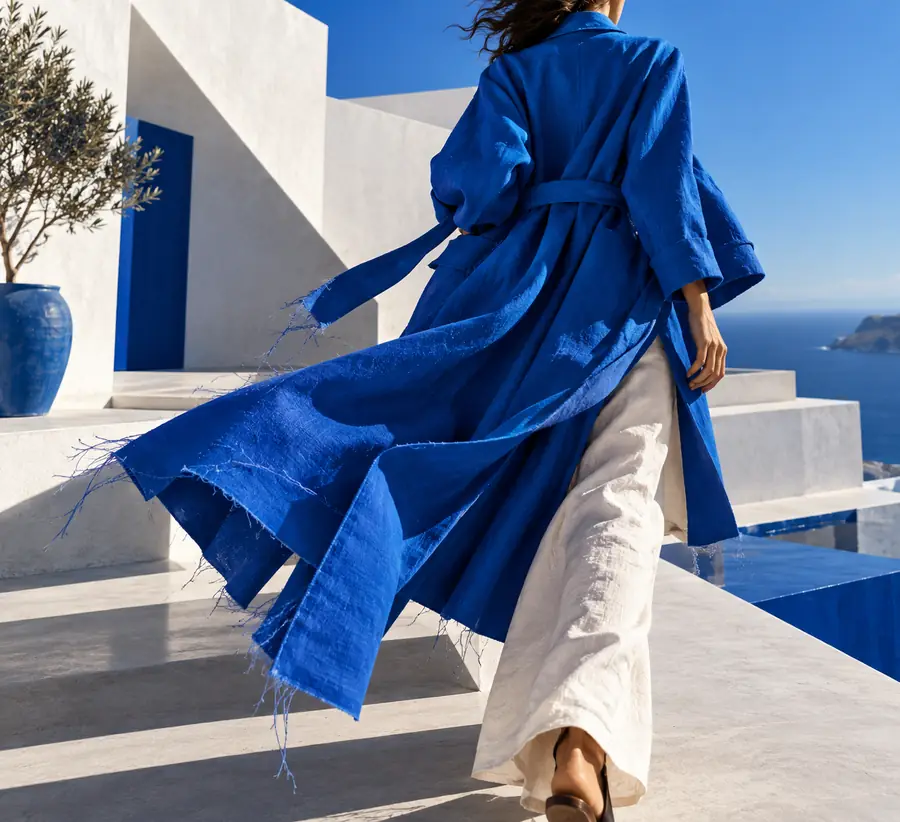
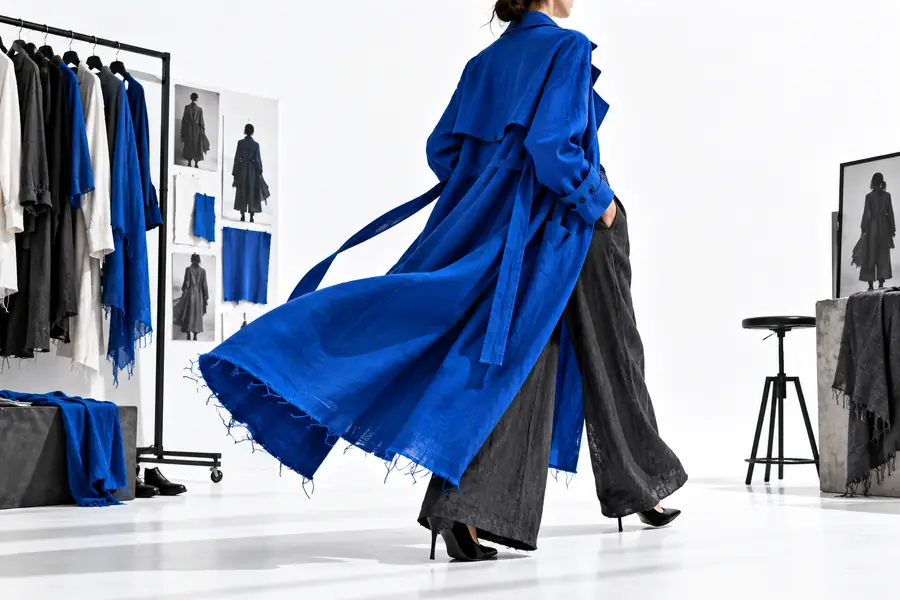
Use this pair to discuss visual direction, not to promise an exact edit to a garment photograph. Inspect edges, hair, shadows, and clothing details before treating any revised image as publication-ready.

Person pictured in an original setting
Person pictured with a different background

deliverable spec

Bring a useful reference to the next review

A useful fashion photo creator brief names the garment, setting, light, framing, and intended use. Check Supavisual's available tools before trying that direction, then keep any resulting concept beside approved sample photographs. The deliverable for a creative review is a direction the team can evaluate; a publishable product image still needs checks against the real item. Supavisual requires sign-in and an active paid plan to generate.

Explore fashion imagery
  • State one clear scene and mood
  • Compare visible details with the sample
  • Record what still needs a real shoot or retouch

scenario FAQ

It can help a team discuss mood, framing, and setting before production. It does not document the real garment or establish that a model, location, or styling arrangement was photographed. Decide which campaign assets require a shoot and human approval.

Start with the garment type, silhouette, setting, lighting, and desired framing. Add a specific mood instead of a long list of competing styles. Review any image against the actual sample before using it to guide production.

Only if your team has confirmed that the image accurately represents the item and meets the listing platform's rules. Check color, fit, fabric, construction, and any depicted accessories. Photographs of the actual product are the safer source for factual detail.

Look beyond the backdrop itself. Check whether the subject's edges, hair, shadows, and lighting still make visual sense, then compare the clothing with the original reference. A convincing setting cannot make an inaccurate garment depiction acceptable.

The answer depends on the project, but the creative lead and someone responsible for product accuracy should both review it. Rights holders may also need to approve likenesses, logos, or supplied references. Keep the approval record separate from the concept image.

Start creating
Start creating